Is that really uncommon in most parts of the world? In mittel Europe, nationalities as surnames are quite common. There are more than 20k people in Hungary with the surname “Magyar”. The most common surname in Croatia is “Horvat” which means Croatian.
Usually, I’d expect Hungarian families outside of ‘core’ Hungary to be named Magyar. Otherwise it wouldn’t be useful for telling families apart. E.g. in Germany people named Westphal usually don’t live in Westphalia, but in the north-east, where people from Westphalia moved during the east settlement in the middle age.
It’s very common only in Slovenia and Slovakia beside Croatia and Hungary. So it’s a regional thing. Croatia and Hungary was a personal union from the 12th century, Slovakia was part of the Kingdom of Hungary through most of its existence.


Is that really uncommon in most parts of the world? In mittel Europe, nationalities as surnames are quite common. There are more than 20k people in Hungary with the surname “Magyar”. The most common surname in Croatia is “Horvat” which means Croatian.
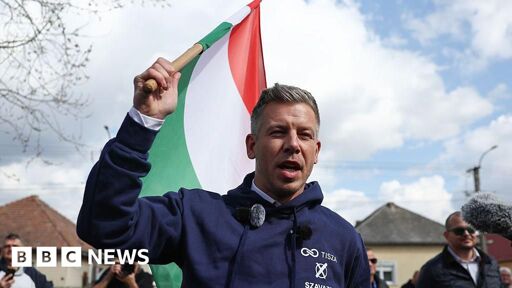
Exhibit C:
Usually, I’d expect Hungarian families outside of ‘core’ Hungary to be named Magyar. Otherwise it wouldn’t be useful for telling families apart. E.g. in Germany people named Westphal usually don’t live in Westphalia, but in the north-east, where people from Westphalia moved during the east settlement in the middle age.
Checking the most common surnames in Europe it’s not as common as I expected: https://en.wikipedia.org/wiki/Lists_of_most_common_surnames_in_European_countries
It’s very common only in Slovenia and Slovakia beside Croatia and Hungary. So it’s a regional thing. Croatia and Hungary was a personal union from the 12th century, Slovakia was part of the Kingdom of Hungary through most of its existence.