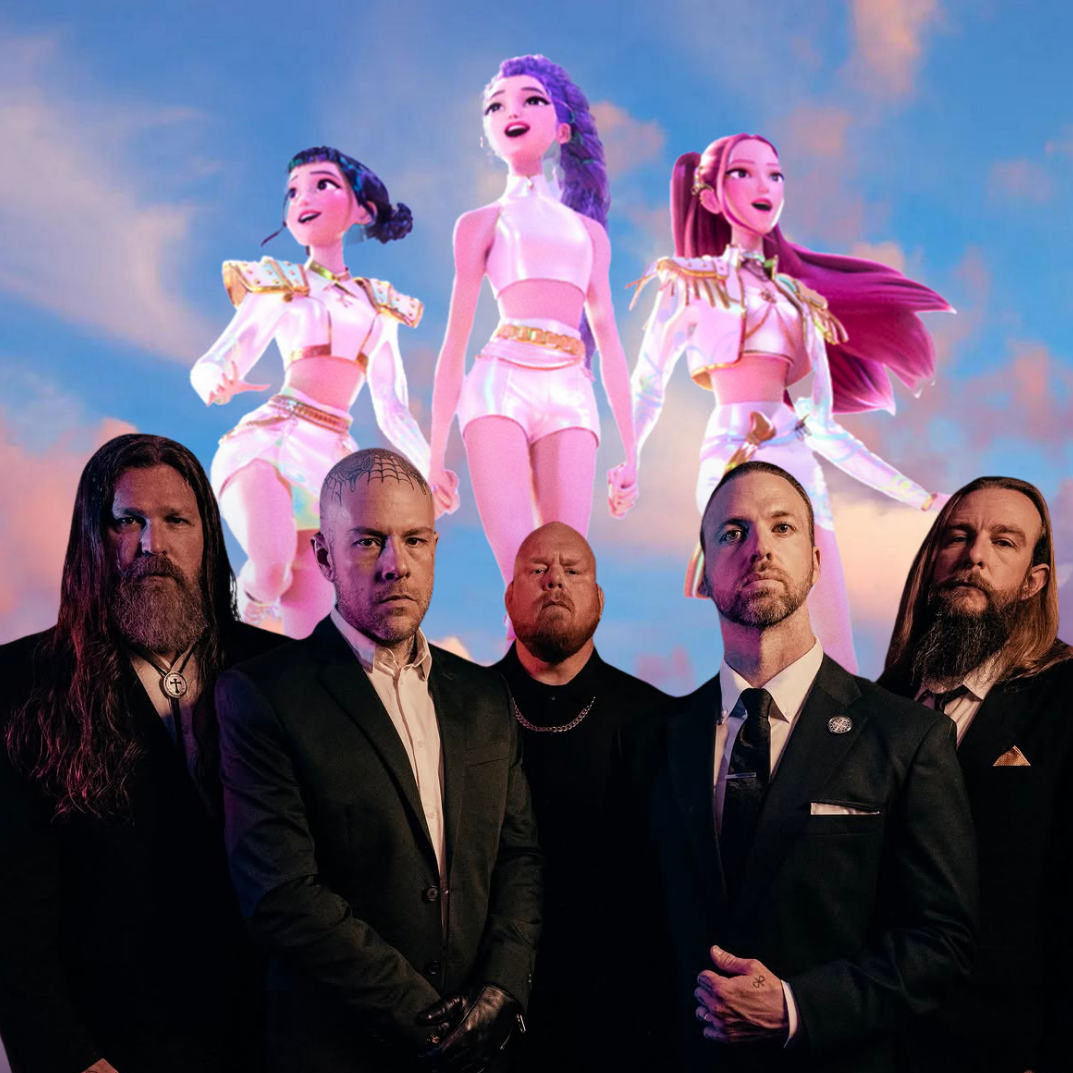
KPop Demon Hunters was a resounding success for Netflix, coming out of nowhere to become the platform’s most-watched movie of all time and spawning several of last year’s biggest pop hits. It was less of a success for Demon Hunter, the Christian metal band that presumably has been getting mogged in the search bar ever…
Not only do you not know what makes a potential trade mark generic, but you don’t know what a straw man is either …
You’re sort of right about the names, but know of standing in this case has the given name “Demon Hunter”, it’s a band name.
Trade mark is a registered IP right, it doesn’t matter if you intended to infringe it, you can’t trade using someone else’s registered name (in the same field of commerce, and same geographic area).
A straw man fallacy is the informal fallacy of refuting an argument different from the one actually under discussion, while not recognizing or acknowledging the distinction.[1] One who engages in this fallacy is said to be “attacking a straw man”.
My statement:
The thing is a trademark can’t trademark something “generic”.
Like you can’t trademark “chocolate dreams” ans a name for a band… and the go after some one that uses the phrase “chocolate dreams” for an unrelated movie.
Because no one is likely to confuse the band for the movie.
to which they replied:
Generic is not what you think. You’re trying to make the case that all words in the dictionary are generic. I’m sorry you’re just wrong about this.
Which absolutely is not what I was trying to say. So yes. They misrepresented my argument. Are you trying to say they didn’t attack it?
Further… My response to them, which you replied to with out apparently reading.
First off there’s a reason I put it in quotes.
and that reason was because I knew pedantic idiots like you would conflate the word “generic” with with the legal term “generic trademark.” The argument that I’m making is that “demon hunter” is common enough that it’s not particularly specific; and that further, no one is likely to be confused between the two.
And the USPTO agreed- more or less- when they gave netflix a trademark for “KPop Demon Hunter”- because checking for potential conflicts is part of the process.
by ‘generic’ I meant that you can’t trademark something thats generic- Like I can’t open a shop at the State Fair and trademark “turkey legs” because I’m selling shoes that look like turkey feet and then go after the people selling roasted turkey legs.
Does that make sense? they probably would reject that trademark, actually. Or require it be more specific.


Not only do you not know what makes a potential trade mark generic, but you don’t know what a straw man is either …
You’re sort of right about the names, but know of standing in this case has the given name “Demon Hunter”, it’s a band name.
Trade mark is a registered IP right, it doesn’t matter if you intended to infringe it, you can’t trade using someone else’s registered name (in the same field of commerce, and same geographic area).
It’s interesting.
from wikipedia a straw man fallacy is :
My statement:
to which they replied:
Which absolutely is not what I was trying to say. So yes. They misrepresented my argument. Are you trying to say they didn’t attack it?
Further… My response to them, which you replied to with out apparently reading.
and that reason was because I knew pedantic idiots like you would conflate the word “generic” with with the legal term “generic trademark.” The argument that I’m making is that “demon hunter” is common enough that it’s not particularly specific; and that further, no one is likely to be confused between the two.
And the USPTO agreed- more or less- when they gave netflix a trademark for “KPop Demon Hunter”- because checking for potential conflicts is part of the process.
by ‘generic’ I meant that you can’t trademark something thats generic- Like I can’t open a shop at the State Fair and trademark “turkey legs” because I’m selling shoes that look like turkey feet and then go after the people selling roasted turkey legs.
Does that make sense? they probably would reject that trademark, actually. Or require it be more specific.